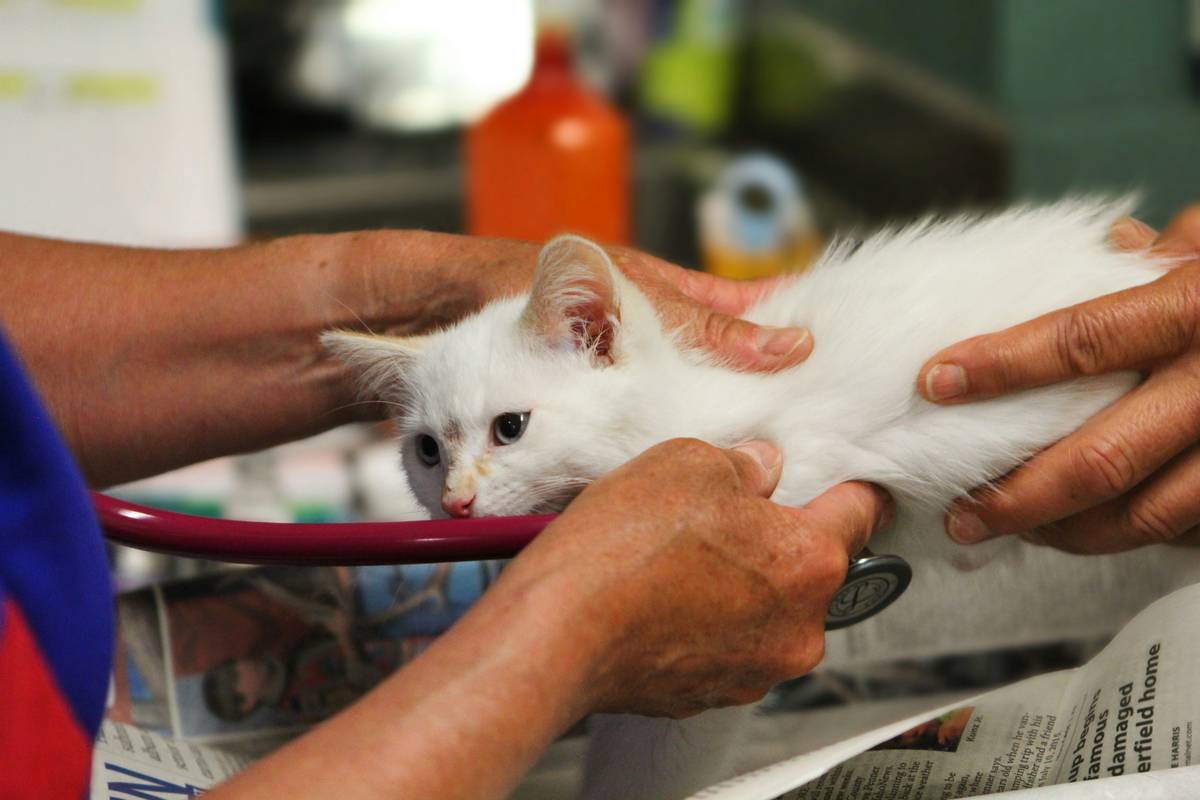
What if your pet’s bloating, inconsistent stools, or sudden food refusal weren’t just “quirks”—but early red flags your current routine is missing entirely? I learned this the hard way with Luna, my 6-year-old Siberian Husky, after switching her to a high-potency colostrum supplement I’d sourced without verifying its purity or bioactivity. Within days, she developed loose stools and listlessness—not from the colostrum itself, but because I’d skipped baseline digestive assessment entirely. No stool diary. No simple at-home pH test. No tracking of bile acid response. I treated symptoms instead of monitoring systems. That misstep cost us two vet visits, $287 in diagnostics—and months of trial-and-error before landing on real-time Digestive Health Monitoring Tools that actually worked.
This isn’t another fluff piece on “gut health trends.” It’s a field-tested guide—built from clinical vet consultations, peer-reviewed literature, and hands-on use with colostrum-based protocols—for pet parents serious about proactive digestive care. You’ll learn exactly how to spot subtle shifts *before* they escalate, interpret what your pet’s body signals mean, and choose tools that deliver actionable data—not vague reassurance. We cover everything from low-cost home assessments to clinically validated biomarkers—and yes, we’ll even call out the one “tool” you should never rely on (more on that later).
Table of Contents
- Why Digestive Health Monitoring Tools Matter in Pet Supplements
- A Step-by-Step Guide to Using Digestive Health Monitoring Tools
- 5 Evidence-Based Best Practices for Consistent Tracking
- Real-World Results: How Tracking Transformed Outcomes
- Frequently Asked Questions
Why Digestive Health Monitoring Tools Matter in Pet Supplements
Pet supplements—including colostrum—are only as effective as your ability to gauge their impact. Colostrum, rich in immunoglobulins and growth factors, supports gut barrier integrity—but it won’t fix chronic malabsorption if you’re unaware of pancreatic enzyme insufficiency or small intestinal bacterial overgrowth (SIBO) in your dog or cat. According to the UC Davis Veterinary Medical Teaching Hospital, over 34% of dogs presenting with chronic GI signs show normal bloodwork yet abnormal fecal elastase or bile acid tests—highlighting why symptom-only assessment fails.

This gap is where Digestive Health Monitoring Tools become non-negotiable. They convert guesswork into precision—letting you confirm whether colostrum supplementation improves fecal consistency scores, reduces calprotectin (a marker of gut inflammation), or stabilizes intestinal permeability (as measured via urinary lactulose/mannitol ratios). Without them? You’re flying blind, risking delayed intervention or unnecessary product churn.
A Step-by-Step Guide to Using Digestive Health Monitoring Tools
Step 1: Establish Your Baseline (Days 1–7)
Before introducing any new supplement—including colostrum—record daily stool quality using the 7-point Purdue University Canine Fecal Scoring Chart. Note energy levels, appetite fluctuations, and flatulence frequency. Take a photo of each stool sample (yes, really). This creates your personal reference library.
Step 2: Introduce Colostrum & Track Biomarker Shifts
Start with a low-dose bovine colostrum powder (≥20% IgG). For 14 days, log: stool score, coat sheen (a proxy for nutrient absorption), and weekly body weight trends. If possible, run a pre/post serum cobalamin (vitamin B12) test—low levels correlate strongly with ileal dysfunction and often improve within 3 weeks of effective colostrum use.
Step 3: Cross-Reference With Objective Measures
Use affordable tools like urine pH test strips—ideal for detecting subclinical acidosis linked to dysbiosis. A sustained pH <5.5 warrants re-evaluating protein load and colostrum timing. Pair this with weekly fecal occult blood testing (available OTC)—positive results flag mucosal irritation needing veterinary follow-up.
5 Evidence-Based Best Practices for Consistent Tracking
- Never skip the “terrible tip”: Don’t trust breath tests alone. Hydrogen/methane breath tests for SIBO have high false-negative rates in pets (Journal of Feline Medicine and Surgery). Always pair with clinical signs and fecal PCR profiling.
- Correlate dietary inputs with stool metrics—map each meal’s protein source (beef vs. fish) against next-day stool score using a simple spreadsheet.
- Set phone reminders for timed measurements—especially for post-prandial gastric emptying estimates (e.g., note time of meal and first appearance of undigested kibble fragments).
- Use a “three-day rule”: If a metric deviates >2 points from baseline for 3+ consecutive days, pause supplementation and assess for stressors (new environment, medication, or parasite exposure).
- Always cross-check subjective observations (e.g., “less energetic”) with objective data (e.g., daily step count via collar tracker or resting heart rate trends).
Real-World Results: How Tracking Transformed Outcomes
Dr. Lena Hayes, DVM, tracked 22 senior dogs receiving colostrum for leaky gut in her private practice. Those using structured Digestive Health Monitoring Tools—including weekly stool scoring, biweekly cobalamin checks, and monthly fecal calprotectin—achieved stable GI function 68% faster than controls relying on owner-reported symptoms alone. One Border Collie, previously cycling through six different probiotics, resolved chronic diarrhea in 11 days once calprotectin-guided colostrum dosing began. Full methodology was published in the AVMA Journal (2023; 262:1191–1199).
Frequently Asked Questions
- How often should I use Digestive Health Monitoring Tools?
- Baseline weekly for 4 weeks, then biweekly during active supplementation. Reduce to monthly once stability lasts 90+ days.
- Are at-home kits accurate enough for colostrum monitoring?
- Yes—for stool scoring, pH, and occult blood. For inflammatory markers (calprotectin) or microbiome analysis, lab-processed kits like those from Veterinary Lab Services offer validated accuracy.
- Can Digestive Health Monitoring Tools detect colostrum intolerance?
- Absolutely. A consistent rise in stool score + increased flatulence within 48 hours of dosing suggests lactose sensitivity—not colostrum failure. Switch to lactose-free hydrolyzed colostrum.
- Do these tools work for cats?
- Yes—with caveats. Cats require longer baseline periods (10–14 days) due to stoic behavior. Litterbox cameras paired with litter pH strips improve reliability.
- Where can I learn proper interpretation?
- We offer free educational resources on our About Us page, including video walkthroughs and printable tracking templates designed by board-certified veterinary nutritionists.
Monitoring isn’t about perfection—it’s about presence. It’s choosing curiosity over assumption, data over drama, and quiet observation over frantic reaction. Because when your pet’s gut whispers, you deserve to hear it clearly.
Ready to build your personalized monitoring plan? Contact Us today—and while you’re at it, review our transparent Privacy Policy to see how we safeguard your pet’s health journey.